Outdoor Kitchens for Hotels: How to Turn a Terrace into a Profitable Dining Space
Equipment for the finest establishments.
21 August 2026
Hôtel du Palais in Biarritz: Bringing the Culinary Experience Outdoors
Overlooking the Atlantic Ocean, Hôtel du Palais in Biarritz has made its outdoor spaces an integral part of the guest experience.
Here, a terrace is much more than an additional area for a few tables. It becomes a destination for dining, socialising and enjoying the unique setting of the Basque coast.
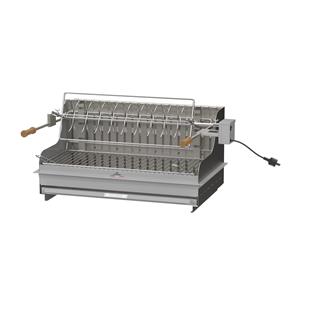
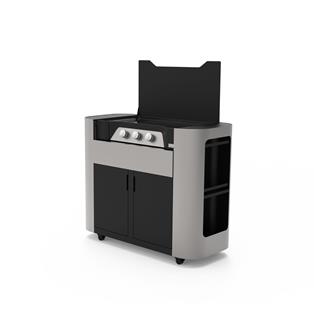
The integration of an outdoor kitchen equipped with a plancha and barbecue by Le Marquier reflects a growing trend across the hospitality industry: turning terraces, rooftops, gardens and poolside areas into fully-fledged dining spaces.
The approach is simple: make better use of outdoor space to create additional dining capacity, enhance the guest experience and unlock new revenue opportunities.
For hotels, resorts, restaurants and hospitality venues, outdoor cooking can become much more than an amenity. It can be a genuine business opportunity.
Why Install an Outdoor Kitchen in a Hotel?
For a hotel, every square metre can potentially contribute to the guest experience and the property's revenue.
A terrace, rooftop, garden or poolside area is often seen primarily as a place for guests to relax. With the right professional cooking equipment, however, it can become an extension of the restaurant.
A well-designed outdoor kitchen can help hotels:
- create additional dining areas;
- increase seating capacity;
- offer more outdoor covers during the appropriate season;
- develop a dedicated outdoor menu;
- extend food and beverage service throughout the day;
- create live cooking experiences;
- make better use of rooftop, garden or poolside spaces;
- differentiate the guest experience;
- bring cooking closer to guests;
- reduce unnecessary movement between the indoor kitchen and outdoor service area.
The objective is therefore not simply to install a plancha or barbecue.
The real opportunity lies in designing a complete outdoor hospitality concept, built around the guest journey, operational efficiency and commercial performance.

Can an Outdoor Terrace Increase Restaurant Revenue?
Adding an outdoor dining area can significantly increase the number of seats available during favourable periods.
For example, imagine a restaurant with:
80 indoor seats + 30 outdoor seats
The total capacity could increase to:
110 seats.
But the commercial potential goes beyond simply adding 30 seats.
A hotel's outdoor dining performance also depends on:
- occupancy rate;
- table turnover;
- average spend per guest;
- number of services;
- length of service;
- drinks and additional sales;
- seasonality;
- weather conditions.
This is why an outdoor terrace should be considered as a commercial asset, rather than simply an architectural or landscaping project.
How to Estimate the Revenue Potential of an Outdoor Dining Area
Let's take a simple example.
An outdoor terrace provides:
30 additional covers per service with an average spend of €45 per guest
The theoretical revenue generated by those additional seats during one service would be:
30 × €45 = €1,350
Over 100 services:
€135,000
This is not a revenue forecast. It is simply an illustration of the potential economic value of additional dining capacity.
Actual performance will depend on occupancy, seasonality, weather, opening days, number of services and average guest spend.
This is why hospitality operators can also look at indicators such as Revenue per Available Seat Hour (RevPASH) to assess the economic performance of their dining capacity.
The key question is therefore not simply:
“How much does an outdoor kitchen cost?”
but rather:
“How much revenue can this additional outdoor dining space generate?”

A Professional Plancha for Outdoor Hotel Dining
A plancha is particularly well suited to hotel terraces and outdoor hospitality environments.
Its versatility allows chefs and kitchen teams to prepare a wide range of dishes, including:
- fish;
- seafood;
- meat;
- poultry;
- vegetables;
- burgers;
- tapas and sharing dishes;
- local specialities;
- brunch items;
- seasonal dishes.
Its visual cooking experience also creates an opportunity for live cooking and guest engagement.
Rather than simply serving food outdoors, the kitchen becomes part of the experience.
Guests can see the cooking process, discover the ingredients and enjoy a more immersive dining environment.
For an upscale hotel, the plancha can therefore become both a cooking tool and a guest-experience feature.

A Barbecue to Create a Distinctive Culinary Identity
A barbecue brings a different dimension to outdoor hospitality.
It allows chefs to develop a menu around:
- grilled meats;
- whole fish;
- seafood;
- premium cuts;
- grilled vegetables;
- sharing dishes;
- seasonal menus;
- barbecue evenings;
- private events;
culinary experiences.
For hotels located by the sea, in the mountains, in wine regions or in exceptional natural surroundings, barbecue cooking can also help create a strong sense of place.
At Hôtel du Palais in Biarritz, the outdoor dining experience at Le Sunset reflects this approach, with an offering built around grilled dishes, seafood and an exceptional oceanfront setting.
The outdoor kitchen becomes part of the hotel's identity.
An Outdoor Kitchen Is More Than Cooking Equipment
The value of an outdoor kitchen does not come from the cooking appliances alone.
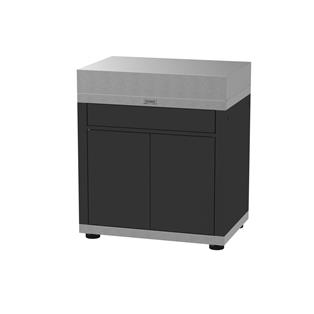
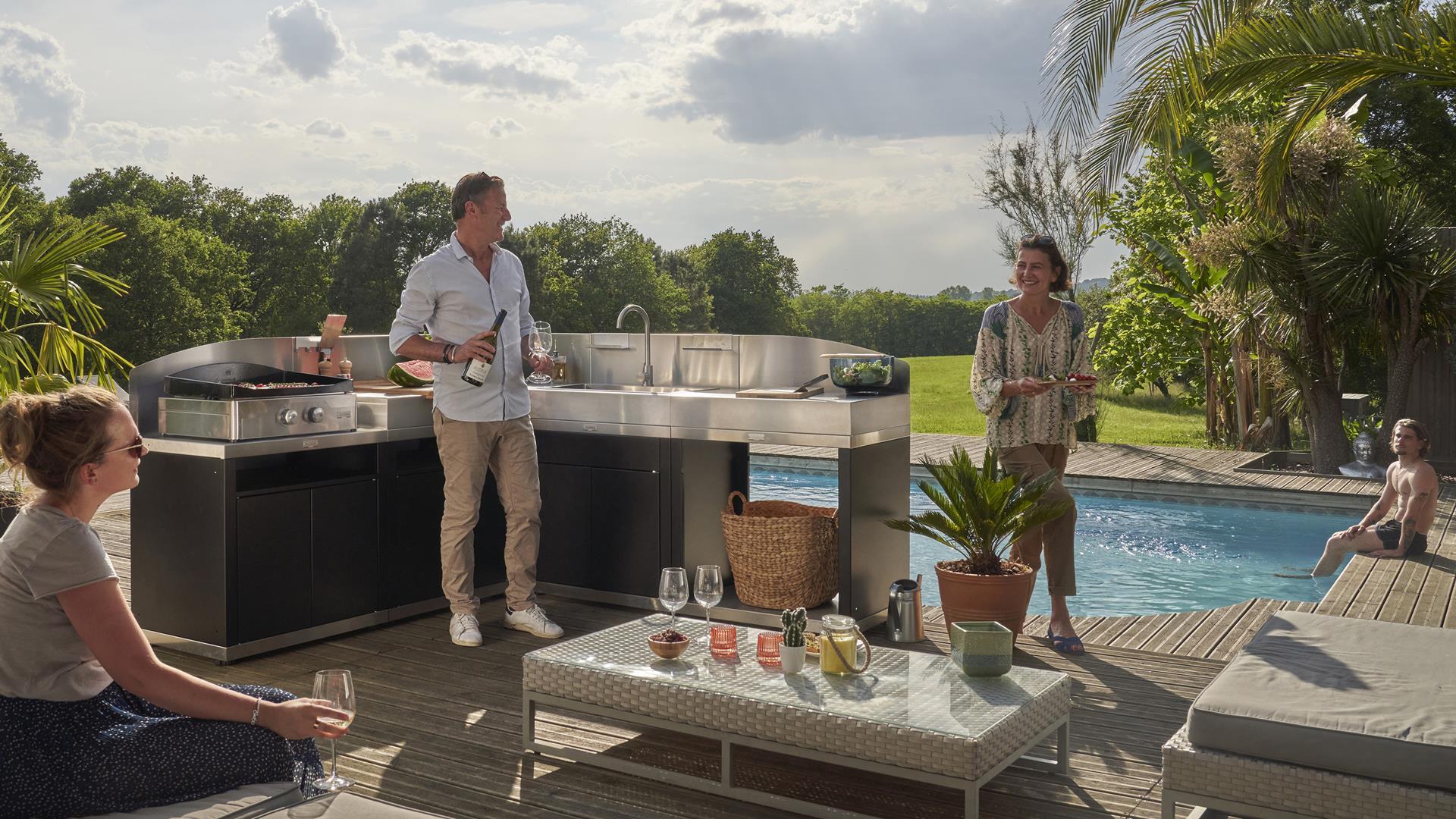
The real opportunity lies in creating a complete and coherent space combining:
1. A cooking area
Plancha, barbecue and other equipment adapted to the menu and service requirements.
2. A preparation area
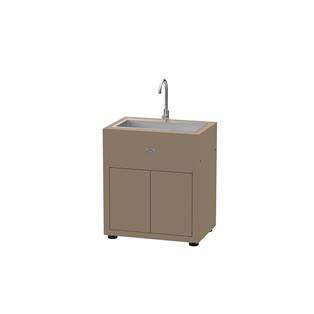
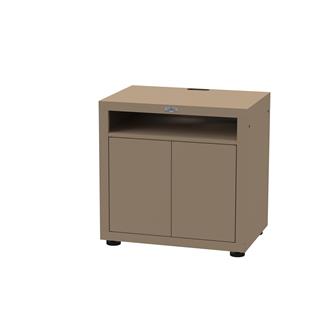
Work surfaces, storage and easy access to ingredients and equipment.
3. A service area
Designed to make staff movement efficient and minimise unnecessary trips between indoor and outdoor kitchens.
4. A guest area
Dining tables, a counter, lounge seating or a combination of different outdoor spaces.
5. A strong visual identity
Materials, finishes, colours and furniture should complement the hotel's architecture and brand positioning.
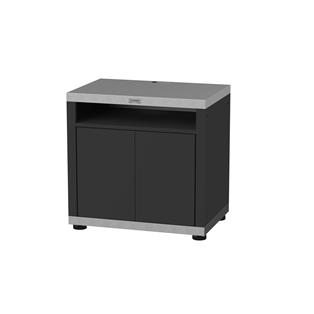
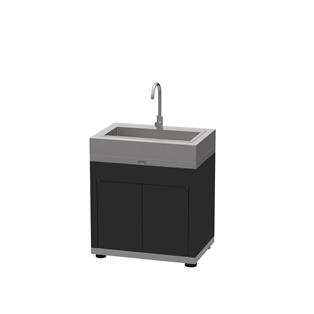
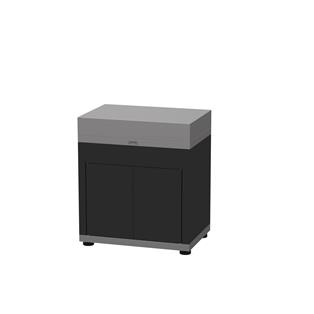
The result is a professional outdoor kitchen designed as part of the hospitality experience, rather than a collection of standalone appliances.

Rooftops, Terraces, Gardens and Poolside Areas: Unlocking Underused Space
Not every hotel has an oceanfront terrace.
But many properties have outdoor areas with significant untapped potential:
rooftop terraces;
panoramic terraces;
gardens;
patios;
poolside areas;
courtyards;
restaurant terraces;
event spaces;
roof decks;
outdoor lounges.
With the right concept, the same space can support different guest experiences throughout the day.
Breakfast
Breakfast, brunch or a hot food offering.
Lunch
Outdoor dining and seasonal menus.
Afternoon
Snacks, drinks, coffee or light meals.
Evening
Dinner, grilled dishes, cocktails and sharing plates.
Events
Cocktail receptions, corporate events, weddings, private dining and live cooking experiences.
This multi-purpose approach can increase the commercial value of the same square metres.
Turning a Hotel Terrace into a Guest Experience
Outdoor dining is not only about increasing capacity.
It is also about creating an experience guests remember.
Today's hotel guests are often looking for more than a table and a meal.
They want:
- an exceptional setting;
- atmosphere;
- comfort;
- memorable food;
- a sense of place;
- a visually appealing environment;
- an experience that feels different from indoor dining.
A thoughtfully designed terrace can therefore become a major differentiator for a hotel or restaurant.
A sea view, rooftop setting, garden, pool or architectural feature becomes even more valuable when combined with an engaging culinary experience.
The 7 Business Benefits of an Outdoor Kitchen for Hotels
1. Increase Dining Capacity
Create additional seating without necessarily expanding the building.
2. Unlock Additional Revenue
Every additional seat represents potential revenue when the space is properly operated and marketed.
3. Improve Table Utilisation
An outdoor space can support different services and different guest occasions throughout the day.
4. Develop a Dedicated Outdoor Menu
Plancha and barbecue cooking allow hotels to create seasonal menus specifically designed for outdoor dining.
5. Create Live Culinary Experiences
Cooking in front of guests can turn a meal into an experience.
6. Make Better Use of Outdoor Space
A terrace, rooftop or garden can become a genuine revenue-generating asset.
7. Strengthen the Hotel's Brand Identity
A well-designed outdoor kitchen can become a visible expression of the hotel's positioning and culinary identity.

Why Choose Le Marquier for a Professional Outdoor Kitchen?
With its expertise in outdoor cooking and its French manufacturing heritage, Le Marquier supports hospitality professionals looking to integrate outdoor cooking into their properties.
Our approach goes beyond simply supplying cooking equipment.
We consider how the equipment fits into the overall space:
location → workflow → cooking → service → guest experience.
Plancha and barbecue equipment become the centrepieces of an outdoor kitchen designed to be:
- functional;
- visually integrated;
- durable;
- easy to use;
- adapted to the property's positioning;
- consistent with the guest experience.
For hotels, restaurants, resorts, campsites, private estates and premium hospitality venues, this approach makes it possible to create outdoor spaces that combine design, operational efficiency and commercial potential.
How to Assess the ROI of an Outdoor Kitchen
Before investing, hotel operators can build a simple business case.
Step 1: Calculate additional seating capacity
Additional seats × number of services
Step 2: Establish average guest spend
Use the average spend for lunch, dinner or the relevant outdoor dining concept.
Step 3: Apply a realistic occupancy rate
A terrace will rarely operate at 100% occupancy every day.
Step 4: Factor in seasonality
Compare peak season, shoulder season and low season.
Step 5: Include additional sales
Drinks, cocktails, desserts, coffee and other incremental purchases can significantly affect the average spend.
Step 6: Estimate potential revenue
Additional covers × average spend × occupancy rate × number of services
Step 7: Compare revenue potential with investment
Consider:
- cooking equipment;
- outdoor kitchen modules;
- installation;
- infrastructure;
- furniture;
- operating costs;
- staffing.
This approach changes the conversation from:
“How much does the outdoor kitchen cost?”
to:
“What commercial value can this outdoor space create?”
Why Outdoor Dining Can Be a Strategic Investment for Hotels
A successful outdoor dining concept can generate value on several levels simultaneously.
It can provide:
More seats
→ greater dining capacity.
More services
→ more opportunities to generate revenue.
A new menu
→ new reasons for guests to dine on site.
A stronger experience
→ greater perceived value.
A distinctive setting
→ stronger differentiation.
More content opportunities
→ greater visibility on social media and digital channels.
The terrace therefore becomes more than an extension of the restaurant.
It becomes part of the hotel's commercial and marketing strategy.
Hôtel du Palais in Biarritz: A Model for Outdoor Hospitality
The Hôtel du Palais demonstrates the potential of combining a premium hospitality environment with outdoor dining experiences.
Located in Biarritz, facing the Atlantic Ocean, the property benefits from an exceptional setting where outdoor spaces naturally become part of the guest experience.
The hotel's dining venues include outdoor experiences such as Le Sunset, where guests can enjoy grilled dishes and seafood in an exceptional setting.
This is precisely where outdoor cooking equipment such as a plancha and barbecue can create additional value: they connect the culinary experience with the location.
For other hotels, resorts and restaurants, the lesson is simple:
Your outdoor space can become part of your restaurant concept.
What If Your Next Restaurant Is Already Outside?
A terrace should not necessarily be viewed as a few additional tables.
For hotels and restaurants, it can become a genuine dining, production and guest-experience space.
A professional outdoor kitchen equipped with a plancha and barbecue can help bring the kitchen closer to guests, create a dedicated outdoor menu and make better use of underutilised space.
Whether it is:
- a rooftop with a view;
- a beachfront terrace;
- a hotel garden;
- a poolside area;
- a restaurant terrace;
- a resort;
- a premium campsite;
- a private estate;
- an event venue.
The question is the same:
How can we transform outdoor square metres into a memorable guest experience and an additional source of revenue?
Outdoor Kitchen Project? Let's Talk
At Le Marquier, we see outdoor cooking as a natural extension of the hospitality experience.
From planchas and barbecues to complete outdoor kitchen solutions, our goal is to help hospitality professionals create spaces that combine design, functionality, culinary performance and commercial potential.
If you operate a:
- hotel;
- restaurant;
- resort;
- rooftop;
- campsite;
- private estate;
- event venue;
- premium hospitality property;
- your outdoor space may have significantly more potential than you think.
Let's assess your outdoor project
Space analysis → usage definition → equipment selection → layout → outdoor kitchen concept → guest experience.
FAQ – Outdoor Kitchens for Hotels and Restaurants
Why install an outdoor kitchen in a hotel?
An outdoor kitchen can turn a terrace, rooftop, garden or poolside area into a functional dining space. It can help increase seating capacity, diversify the food and beverage offer and create new guest experiences.
Is a plancha suitable for hotel and restaurant use?
A plancha is highly versatile and can be used to prepare fish, seafood, meat, poultry, vegetables and a wide range of dishes. It can also be used for breakfast, brunch, lunch, dinner and live cooking concepts.
Why combine a plancha and a barbecue?
The two cooking methods complement each other. A plancha provides versatility, precision and fast cooking, while a barbecue allows chefs to develop a menu focused on grilling, fire cooking and sharing dishes.
Can an outdoor kitchen be installed on a rooftop?
Potentially, yes, provided that the project meets the property's technical, structural, safety and regulatory requirements. A rooftop project should be assessed carefully, particularly regarding structural loads, gas or electrical supplies, ventilation, fire safety and local regulations.
Can a hotel terrace increase revenue?
An outdoor terrace can increase available dining capacity and therefore create additional revenue potential. Actual performance will depend on occupancy, average spend, table turnover, seasonality, weather and the number of services operated.
Which hospitality businesses can benefit from an outdoor kitchen?
Hotels, resorts, restaurants, campsites, beach clubs, estates, event venues, rooftop restaurants and premium hospitality properties can all consider an outdoor kitchen where the site configuration and applicable regulations allow it.
Discover our products