Looking after your plancha: cleaning, protection and winter storage
A plancha that's well looked after lasts longer and cooks better. It all comes down to a few minutes at the end of the meal: here's the simple routine for cleaning, protecting and storing yours.
13 November 2026
Clean it while the plate is still warm
The best time is right after cooking. The plate is still warm but no longer scorching, so residue comes off easily and the grease hasn't had time to set. Three steps are enough.
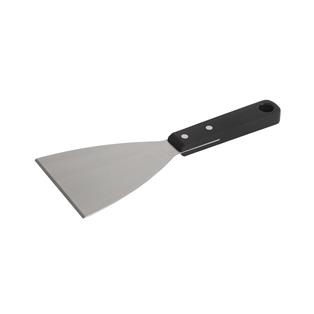
- Scrape. With a straight spatula or scraper, push the leftovers toward the grease channel. There's no need to press hard.
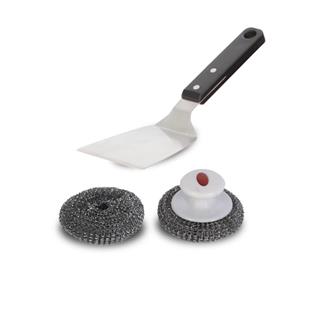
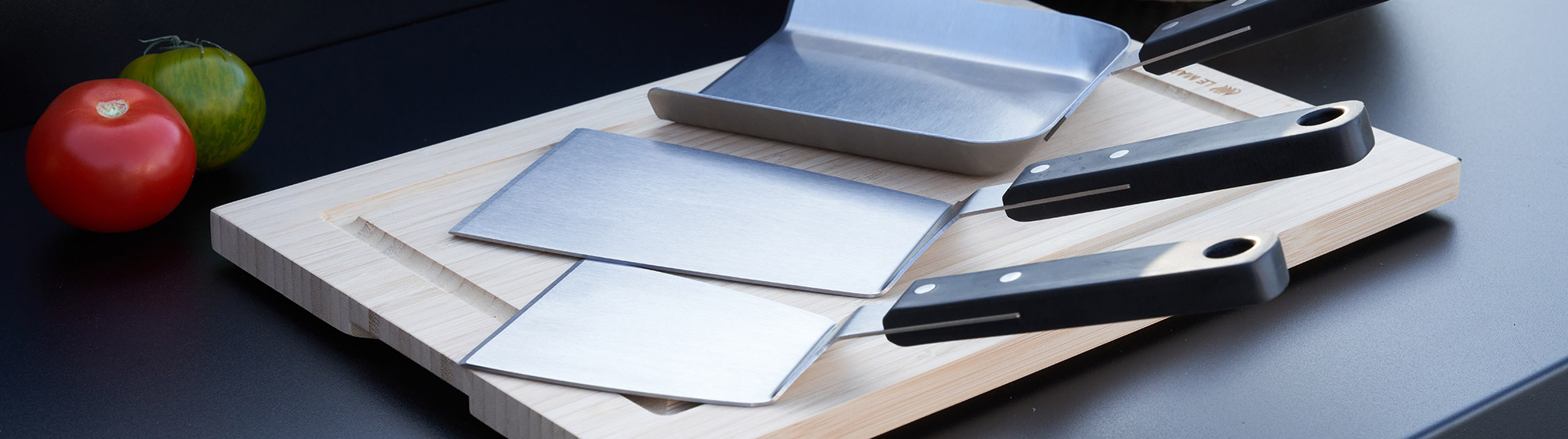
- Scrub. The little stainless steel scourers with a handle lift the worst of it without harming the surface. The Le Marquier cleaning kit pairs a spatula with these scourers, and it's the handiest thing to keep nearby.
- Wipe. Once the plate has cooled a little, a cloth or kitchen paper takes care of the rest. On a cast iron or enamelled plate, a very thin film of oil afterwards protects the surface and helps the next cook.
What to avoid
A few habits are worth dropping, because they wear plates out faster than you'd think.
Don't pour cold water on a very hot plate, as the thermal shock can damage it. Let it cool down before rinsing. Steer clear of abrasive sponges and harsh products on enamelled surfaces too, since they scratch easily. And don't leave the cleaning until tomorrow: a plate that's caked in grease always takes more elbow grease.

A proper deep clean now and then
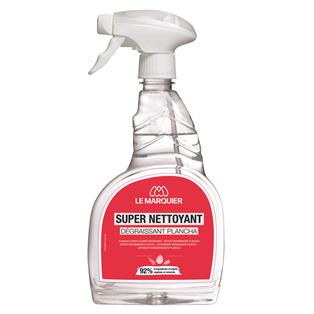
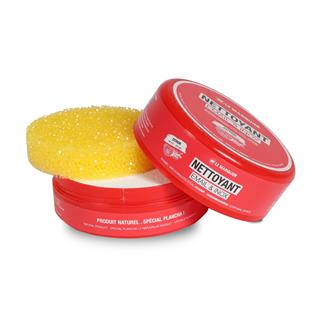
After a few uses, a thorough clean does wonders. Two products in the range are made for it. The enamel and stainless steel cleaner (300 g) brings back the shine on enamelled or stainless surfaces. The heavy-duty degreaser (750 ml) deals with baked-on grease on the plate, the frame and the outer parts.
Rinse well, dry it, then add a light film of oil before putting it away.
A cover, plus the lid if you have one
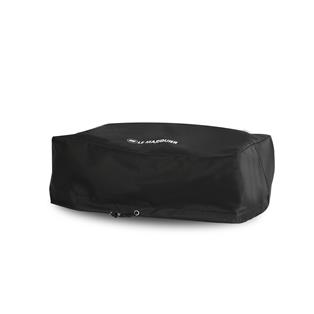
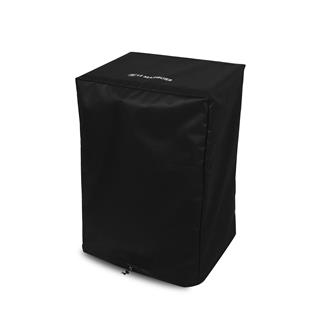
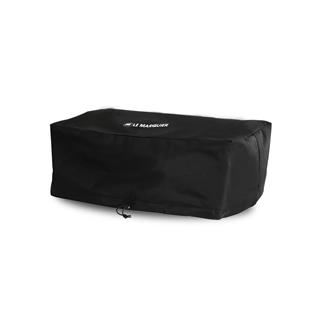
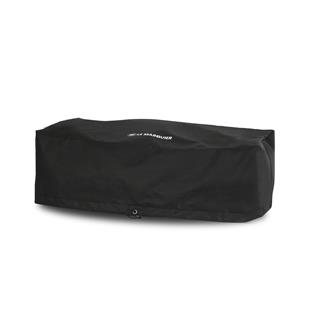
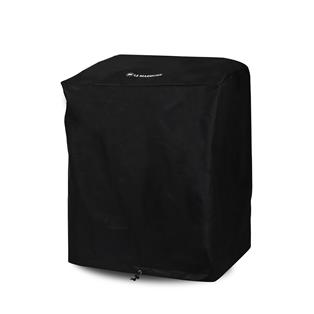
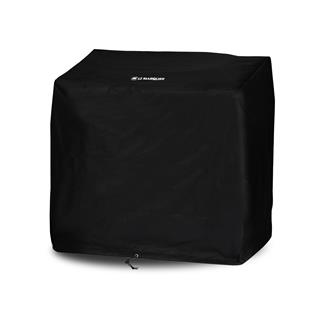
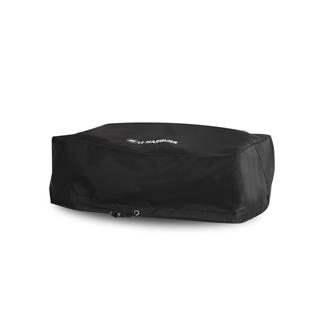
A plancha left outside gets rain, damp, pollen and dust. A cover is the simplest and cheapest protection. Three things help you pick one: the type of plancha (tabletop or on a trolley), its width, and whether it has a lid. The Le Marquier range covers every case, from tabletop planchas of 50 to 75 cm up to the large trolley models.
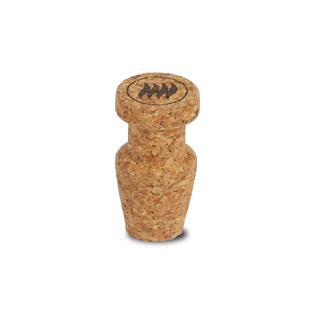
If your plancha has a lid, it protects the plate between meals. Put the cover over it and you can relax. And for €5.90, the conical cork stopper plugs the grease drain hole and keeps insects and dirt from settling in.
Winter storage, step by step
- Clean the plate and the frame, then dry them.
- Wipe a film of oil over the plate.
- Disconnect the gas cylinder (or unplug an electric model). Keep the cylinder outdoors, somewhere ventilated.
- Cover it with a suitable cover.
- If you have a shed or a garage, store the plancha inside rather than in the open.
In spring, a wipe with a cloth and a clean with the right product is all it takes to start again.
A quick look at the gas hose
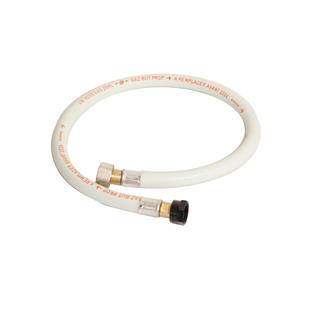
On a gas model, check the hose and the connector from time to time. A cracked or old hose should be replaced. The one in the Le Marquier range has a 10-year guarantee. If you smell gas or a connector looks worn, turn off the gas supply and have the installation checked.
The care kit we recommend
Cleaning kit (€22.40), enamel and stainless steel cleaner (€9.90), heavy-duty degreaser (€16.90) and a suitable cover (from €59): about €108 incl. VAT (recommended retail) to protect a purchase worth several hundred euros. You'll find all of these in the Le Marquier shop.
Frequently asked questions
Can you wash a plancha with water?
Yes, but wait until the plate has cooled a little. Avoid cold water on a scorching plate.
Should you oil the plate after every use?
A thin film of oil is recommended on cast iron or enamelled plates to protect them.
Which cover should you choose?
The one that matches the type of plancha (tabletop or on a trolley) and its width. Check the dimensions before you buy.
Discover our products